
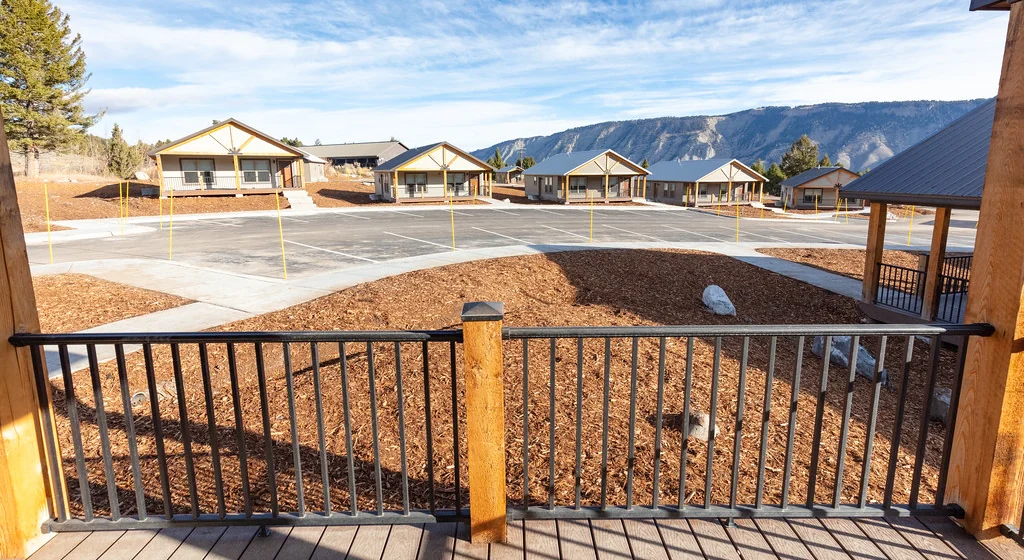
Deck Railings in Rochester Hills
Guards, infill and stair handrails installed or replaced across Rochester Hills, detailed for the load the code asks of them rather than for how solid they look on day one.
Why the post matters more than the picket
A guard is only as strong as what holds it to the frame. The infill is what you look at; the post connection is what stops somebody going over the edge.
Posts detailed for 200 pounds
Blocking, bolts and hold-down hardware at the frame, because a notched 4x4 on lag screws often cannot develop the horizontal load the code asks for.
The sphere rule checked everywhere
Between pickets, under the bottom rail and between any horizontal members. That last one is where most rails quietly fail.
Height measured off the nosing line
36 inches from the walking surface, and on stairs from the nosing line, which is not the same thing and is easy to get wrong.
Handrails you can actually grip
Required from four risers up, set 34 to 38 inches above the nosings, and shaped so a hand closes around it rather than rests on it.
Systems kept whole
Posts, rails, brackets and infill from one system, because mixing manufacturers is how spacing and warranty problems start.
Metal matched to treated framing
Hot-dip galvanized or stainless at every connection into the frame, never mixed, because galvanic corrosion works from the inside.
Which railing suits the deck you have?
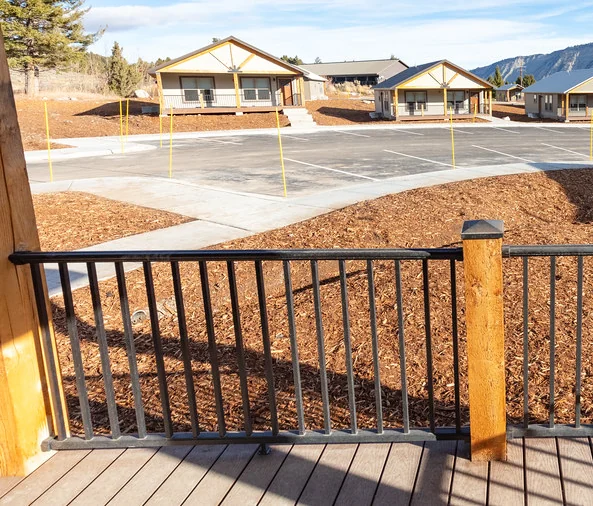
All four meet the same height, sphere and load rules. What separates them is what you see through them and what you have to do to them.
| Railing system | Sightline | Upkeep | What drives the price | Best on |
|---|---|---|---|---|
| Wood | Heaviest; pickets read as a solid band from a distance | Cleaning and a finish coat on a cycle, in the same short dry window as the deck | Linear feet, and how many stair flights match it | Budget-led jobs and decks already being refinished anyway |
| Composite | Similar to wood, in a color that stays put | Washing only. No finishing, ever | Linear feet plus the post sleeves and caps | Composite decks, where a wood rail would be the only thing needing finish |
| Aluminum | Slim uprights; noticeably more view than wood | Effectively none beyond washing | Linear feet, corners and stair rakes | Elevated decks where sightlines matter and access is awkward |
| Cable | The most open of the four; the view largely survives | Washing, plus re-tensioning as part of ownership | Post spacing, tensioning hardware and the terminations | Walkout decks looking out over a wooded lot |
Why railings carry more weight on a Rochester Hills deck
Because so many decks here are high. Walkout basements are common, the ground falls away behind the house, and once the walking surface is more than 30 inches up a guard stops being optional and becomes the thing standing between somebody and a full story. Height also lengthens the stair flight, and every flight over three risers needs a graspable handrail of its own. On the older 1980s decks around the city the guards were built before the current openings rule and before hold-down hardware was common, which is why so many of them move when you lean on them. We install and replace guards, infill and stair handrails across Rochester Hills.
- ✓ Posts blocked and bolted
- ✓ Sphere rule checked below the rail
- ✓ Stair rails set off the nosings
- ✓ One system, not three
- ✓ Frame checked before posts
- ✓ Matched metal at every fixing
How a railing job gets done properly
The frame gets checked first, because that is what the guard load ends up in.
Check the frame
Rim joist, blocking and existing post fixings, since the load path ends in the structure, not the rail.
Choose the system
Wood, composite, aluminum or cable, matched to the view, the upkeep you want and the deck it sits on.
Set the posts
Blocked, bolted and where needed hold-down hardware, at spacings the system is rated for.
Fit and measure
Infill fitted, openings checked against the sphere rule, stair handrail set off the nosing line.
Load at the connection
Posts fixed to develop 200 pounds at the top rail.
Openings under the bottom rail
The gap most home-built guards miss entirely.
Stair handrail geometry
34 to 38 inches off the nosings, graspable profile.
North Oakland coverage
Rochester Hills out to Oxford, Leonard and Romeo.
What else do we handle in Rochester Hills?
Everything below runs through the same drawings, the same footing depth and the same three inspections.
Deck Building
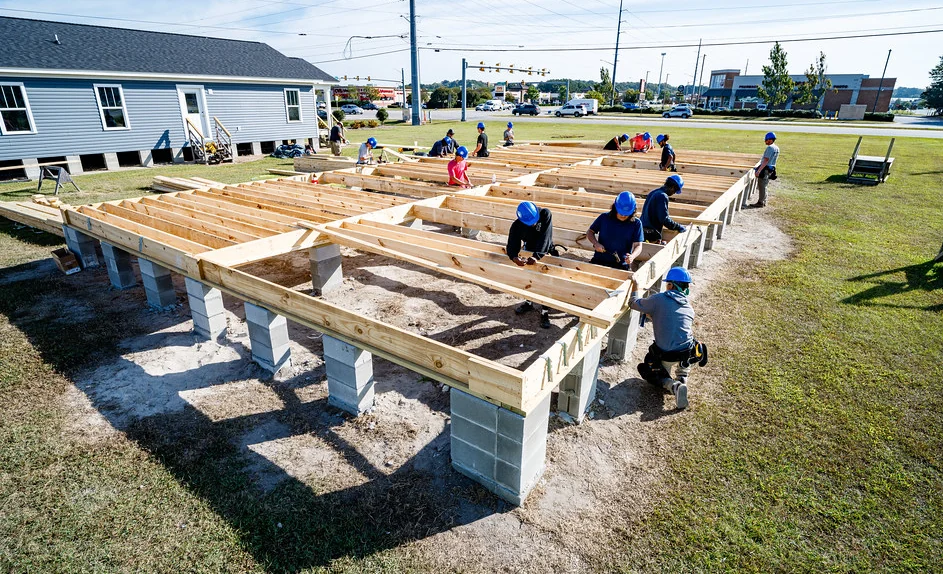
New decks drawn, permitted and framed to the city's adopted deck guide.
Learn more →
Deck Replacement
Tear-out, legal disposal and a new structure on new footings.
Learn more →
Composite Decking
Capped composite and PVC boards over a frame built to carry them.
Learn more →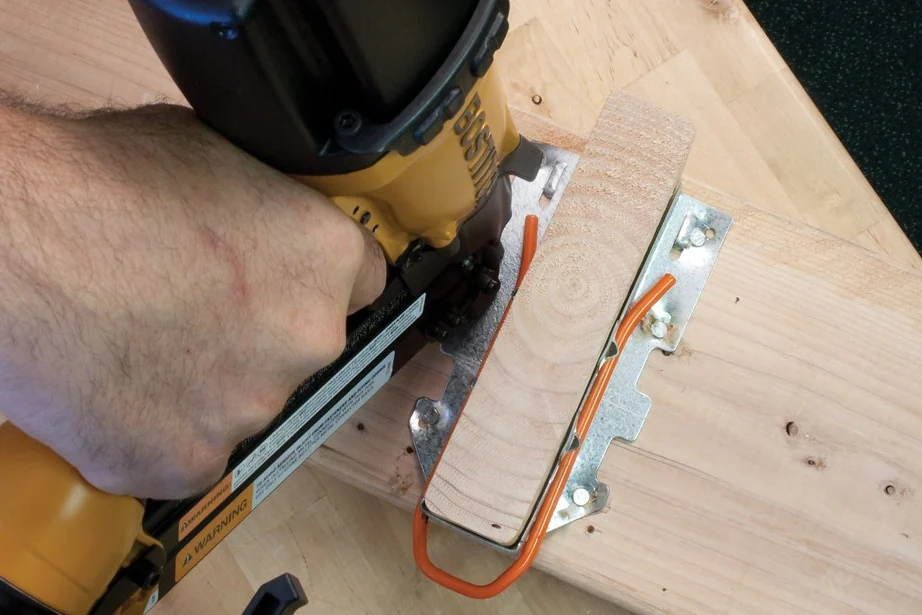
Deck Repair
Ledgers, posts, joists, guards and stairs put back to code.
Learn more →
Deck Staining
Cleaning, brightening and finish, timed to the moisture, not the calendar.
Learn more →
Deck Railings
Wood, composite, aluminum and cable guards that hold the code load.
Learn more →Railings fitted across north Oakland County
Guard and handrail work runs right through Rochester Hills, including the elevated lots in Riverside Highlands, Crooks Crossing and Stony Creek Ridge, and out to Rochester, Oakland Township, Auburn Hills, Lake Orion, Orion Township, Oxford, Addison Township, Leonard, Washington Township and Romeo. No travel surcharge inside that ring.
Railing questions from Rochester Hills homeowners
Rail moving when you lean on it?
That is the one to call about today. We will check what the posts are actually fixed to, price the fix in writing, and tell you if the frame needs work first.